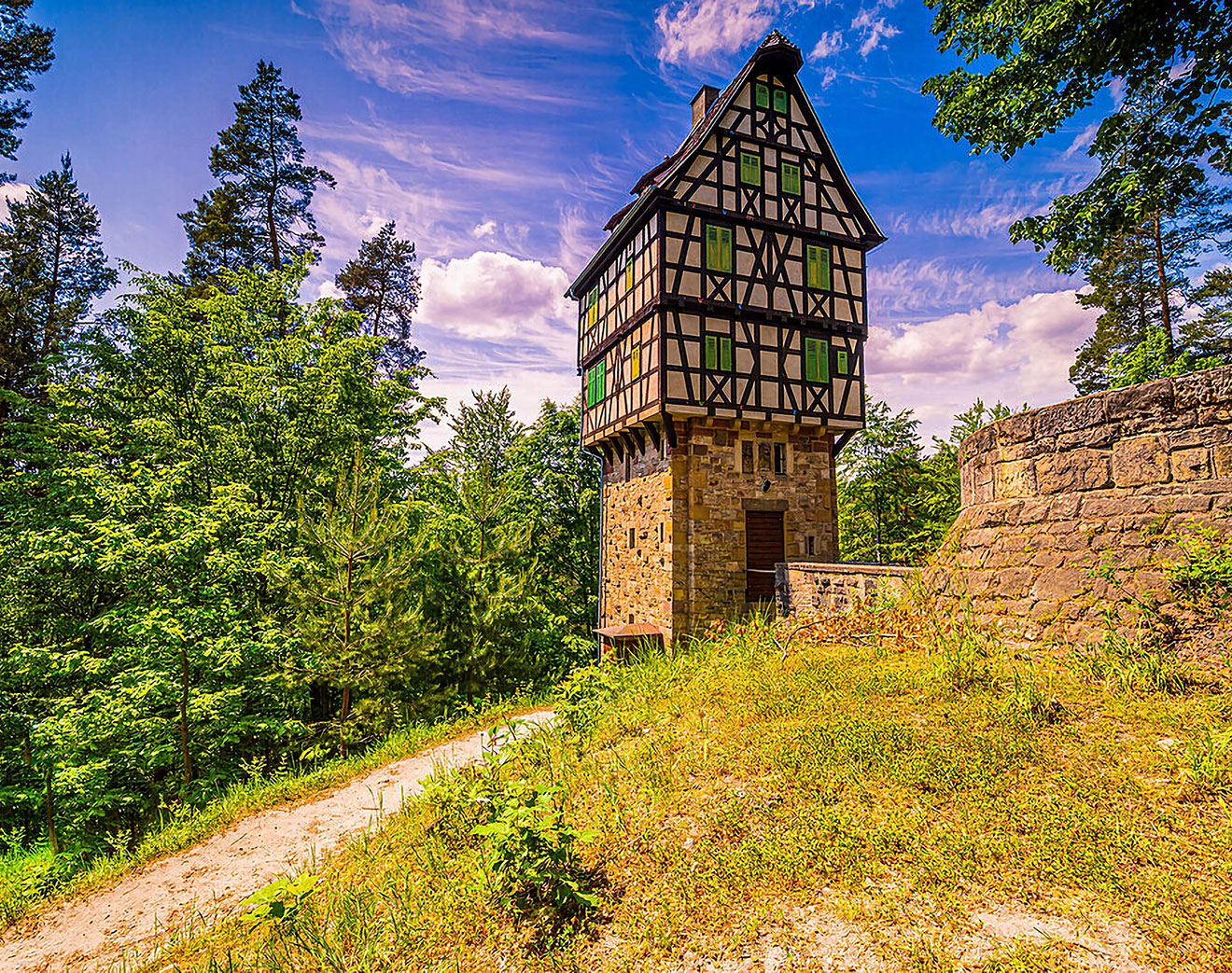
Rising quietly from the forested folds of Thuringia, Germany, the Herzogstuhl Tower stands like something out of a forgotten fairytale. At first glance, it resembles a medieval sentinel—solid, round, and rooted to the earth. But look again, and you’ll see it bloom into a whimsical half-timbered structure that seems almost too delicate for its stone base. This architectural oddity, built in 1917 by Duke Ernst II of Saxony-Altenburg, was never just a lookout—it was a statement, a playground, and a personal retreat all at once.
Tucked near the Rieseneck hunting grounds, the Herzogstuhl reflects the dying embers of imperial Germany’s aristocratic indulgences. It is a relic of a time when dukes still built pleasure towers in the woods—sometimes for sport, sometimes for secrecy.
Of Dukes and Desires
Duke Ernst II was no ordinary nobleman. His reign, marked by both military command and cultural curiosity, left a visible mark across Saxony-Altenburg. The Herzogstuhl, though small compared to the castles of Bavaria or Württemberg, encapsulates his private world. Built during the turbulence of World War I, it was a place to escape the burden of power—and perhaps enjoy more hedonistic pursuits away from courtly scrutiny.
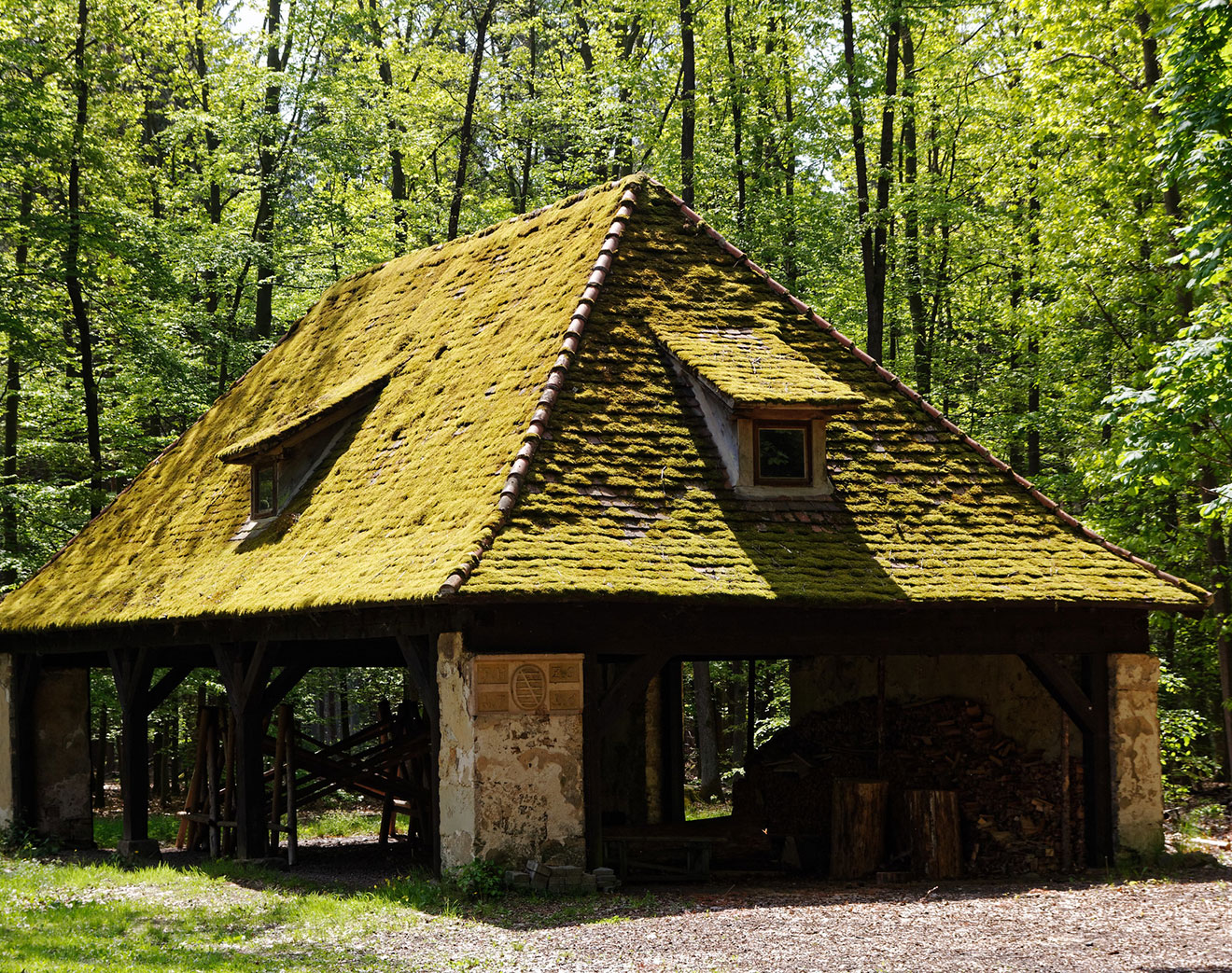
Locals whisper that the tower wasn’t merely a lodge for game hunting. According to oral histories passed down in hushed tones, the Herzogstuhl also served as the setting for the Duke’s amorous escapades. While no formal records support the more lurid details, the tower’s secluded location and curious interior details seem to invite speculation.
Timber and Stone: An Architectural Curiosity
The structure itself is a fascinating combination of strength and charm. The lower portion of the Herzogstuhl is built like a defensive tower, sturdy and cylindrical. But above it grows a fantasy of wood beams, gabled windows, and overhanging balconies that look more alpine than aristocratic. This half-timbered crown gives the building a storybook aesthetic—one that defies expectations for a hunting lodge.
Architectural historians note the blending of medieval and romantic elements as a hallmark of early 20th-century regional nobility. The Herzogstuhl was not meant to dominate a skyline—it was meant to enchant.
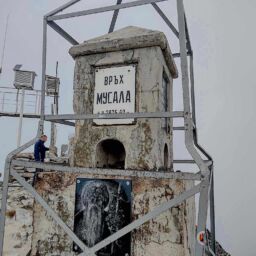
Read More: Conquering Musala Peak: Trekking to the Balkans’ Pinnacle
…The Herzogstuhl tower is less a monument to power than a whispered secret from a vanished world.
A Journey Through the Past
Step inside the tower, and you step backwards in time. The wooden stairs creak underfoot. Doors, some carved with swirling flourishes, lead into rooms that echo with imagined stories. A small bridge connects parts of the building in an almost theatrical gesture—practical perhaps, but also playful. Each artefact, each doorway, each stairway seems to hold its breath, waiting for visitors to ask what scenes once played out under its beams.
Although many original furnishings have been lost to time, enough remains to fuel the imagination. And perhaps that’s the most powerful feature of the Herzogstuhl: its ability to turn visitors into storytellers.
Into the Wilds of Thuringia
The tower is not a solitary attraction. Surrounding it is the dense and peaceful Thuringian Forest, home to hiking trails, rare birds, and a hush that belongs only to old woodlands. As the seasons turn, so does the personality of the Herzogstuhl. In winter, it emerges through a white fog like a dream. In summer, it hides behind curtains of green.
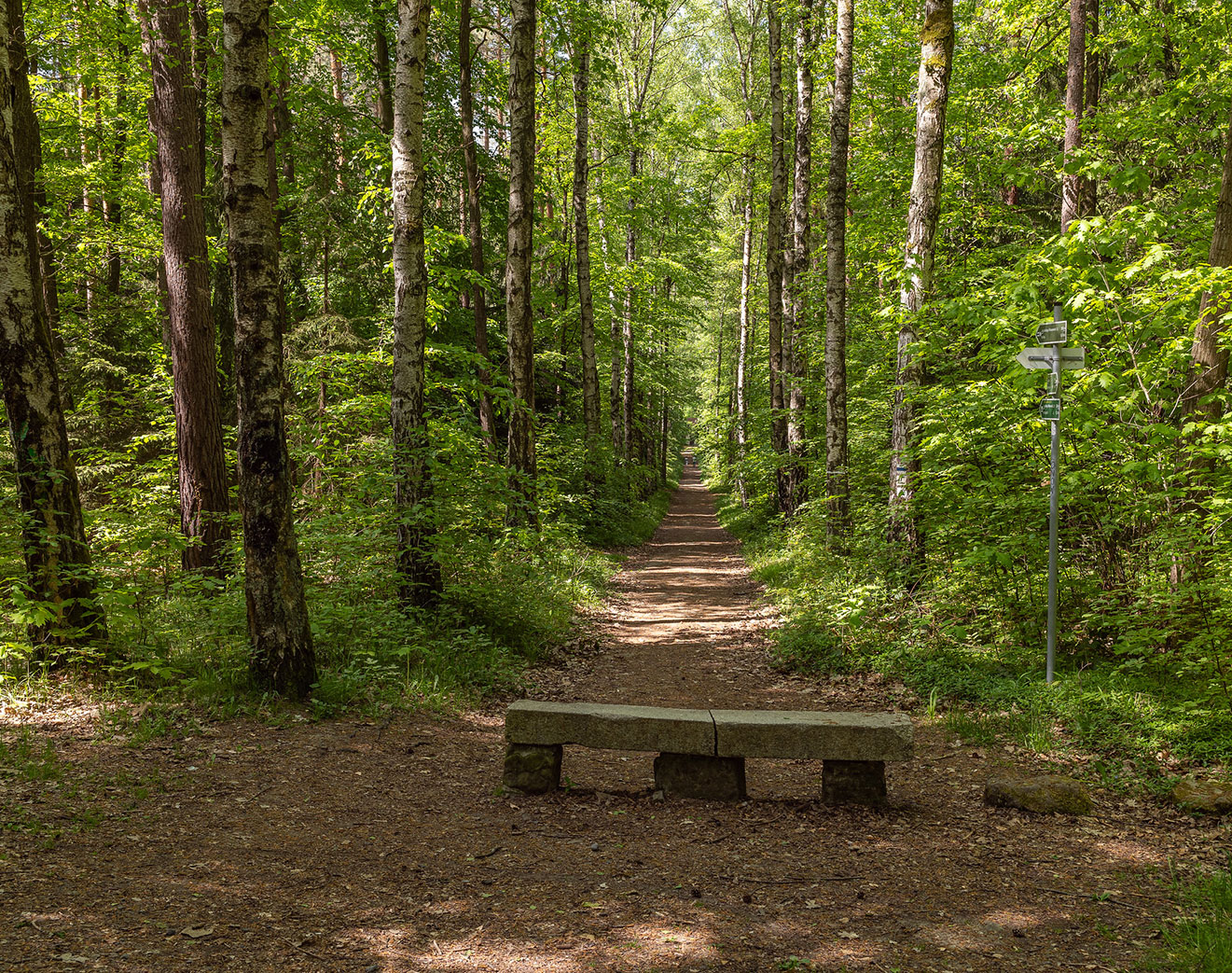
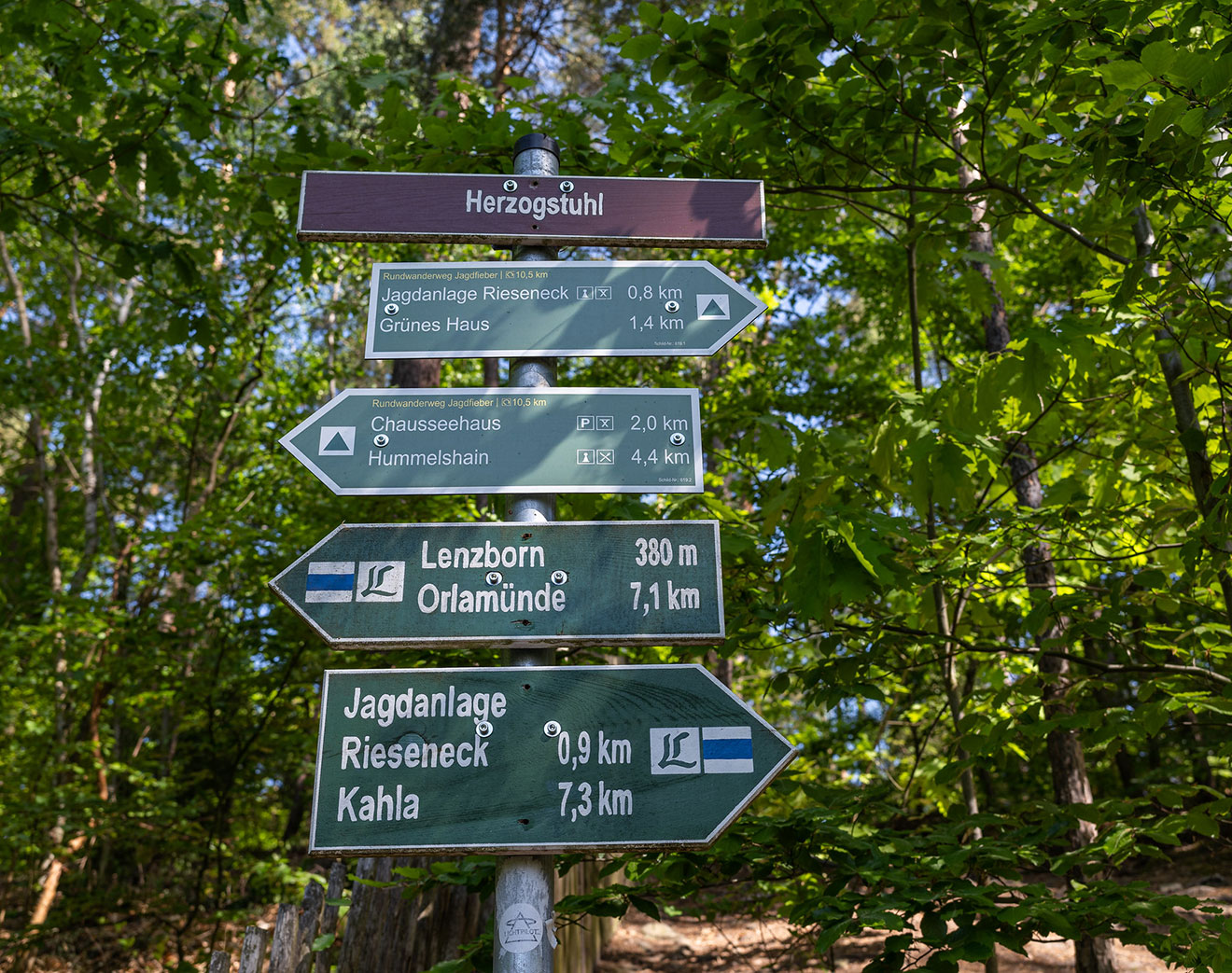
Nearby railway stations—Ziegenrück, Stadtroda, Neustadt an der Orla, and Pößneck unterer—serve as gateways to the area. From there, curious travellers can make their way to the Herzogstuhl either on foot or by regional transport, adding a sense of pilgrimage to the visit. The journey, much like the destination, invites slowing down.
Daylight Enchantment, Nocturnal Magic
During the day, the tower feels like a forgotten monument; light spills through its windows, casting long shadows over its handcrafted details. But stay long enough, and nightfall transforms the place. Lanterns—or moonlight, if you’re lucky—reveal a different mood. The Herzogstuhl seems to awaken under stars, whispering secrets between the trees.
Some visitors report a “presence”—not ghostly, but deeply atmospheric. It’s as if the Herzogstuhl remembers. And if the breeze rustles just right through the leaves, you might hear the echo of a hunting horn, or the laughter of nobility lost to time.
…Step inside, and the past leans in—creaking stairs, carved doors, and stories written in shadow and stone.
Why It Matters Today
The Herzogstuhl Tower may not feature on most tourist maps of Germany. It lacks the grandeur of Neuschwanstein or the fame of Sanssouci. But that’s precisely why it matters. It is a quiet monument—one that preserves the layered contradictions of history: decadence and decline, artistry and solitude, truth and legend.
As Germany continues to reckon with its complex past, small sites like the Herzogstuhl offer a different lens. Here, the grand narratives of war and empire fade into something more personal, more human. A tower, a duke, a story passed from guide to guest, from villager to visitor.
A Place to Wonder
Whether you come for the architecture, the forest walks, or the chance to stand in a place where time feels paused, the Herzogstuhl invites wonder. It’s not just a building—it’s a question mark left by a duke who sought beauty, freedom, and perhaps just a bit of mischief.
And in a world racing ever forward, places like this remind us to slow down, look around, and ask the old buildings what they remember.
Read More: Into the Heart of Wild Luxury: A Journey to Return Africa’s Pafuri Camp
Think your friends would be interested? Like, share and subscribe!